Every dental practice says they want to go paperless. Most of them still hand patients a clipboard when they walk in the door.
It's not because the technology doesn't exist. It's because going paperless feels like a massive project — and nobody has time for a massive project when you're seeing 20+ patients a day. So the clipboards stay, the scanner stays, and your front desk keeps manually entering the same information into three different systems.
Here's the thing: going paperless isn't one big project. It's a series of small, practical swaps — and each one saves your team real time every single day.
Where paper is actually hiding in your practice
Most practices think "paperless" means digital charts. But charting went digital years ago. The paper that's still slowing you down is everywhere else:
- New patient intake forms — printed, filled out by hand, then manually entered into your PMS
- Medical history updates — the same clipboard every 6 months
- Consent forms — printed, signed, scanned, filed
- Treatment plan printouts — handed to patients who immediately lose them
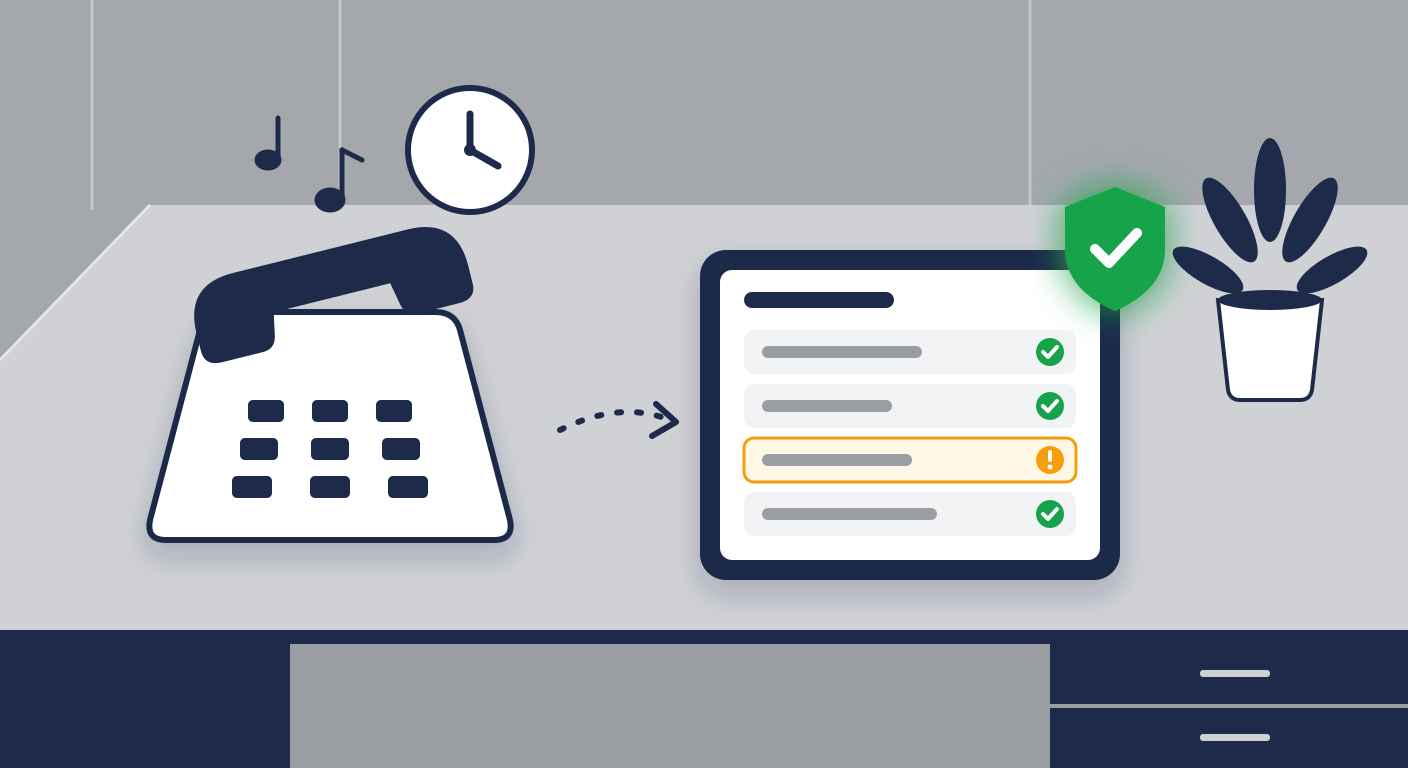
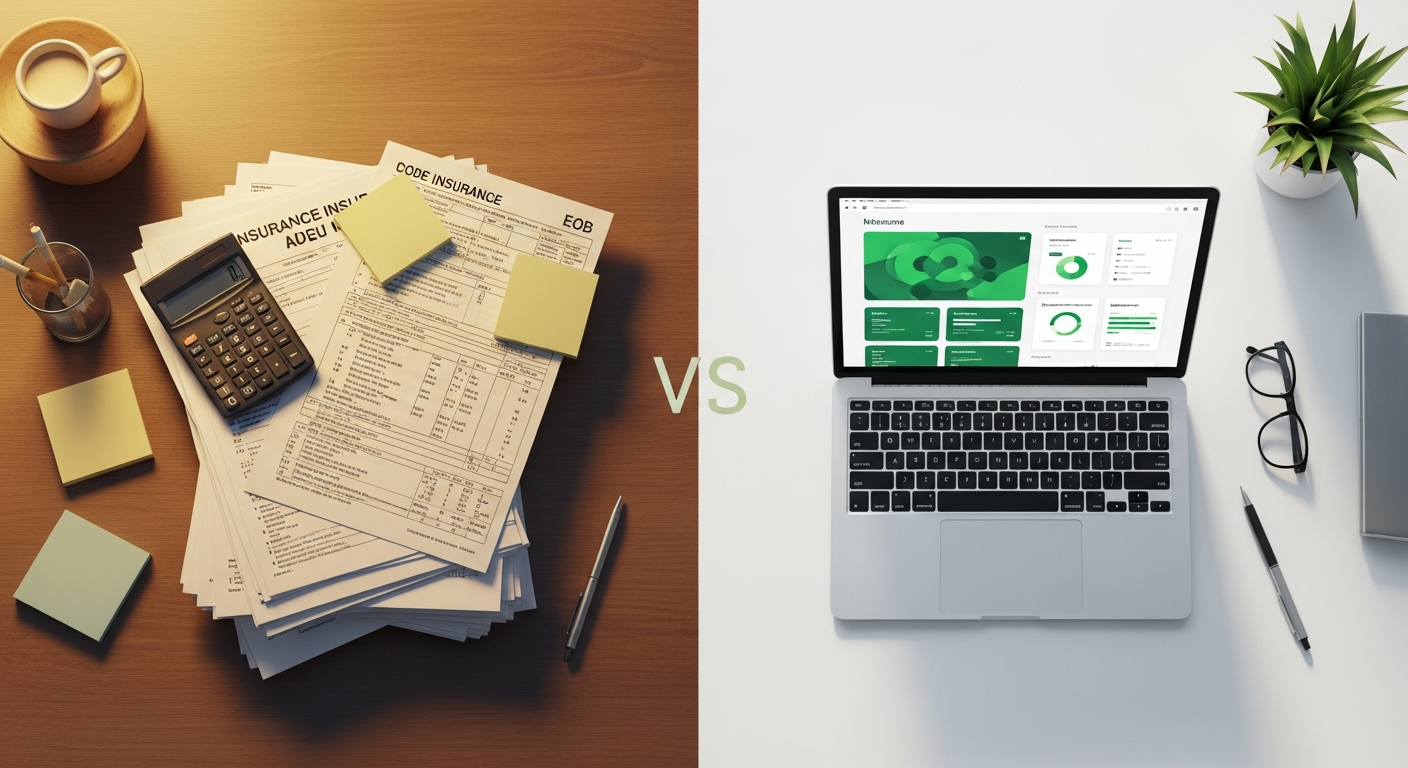
- Insurance verification notes — sticky notes, printouts, handwritten coverage details
- Referral letters — printed, faxed, or mailed
- EOBs and statements — printed and stuffed into envelopes
Each one of these touches 2-3 people on your team. Multiply that by 20 patients a day and you start to see where your overhead is going.
The real cost isn't paper — it's labor
A ream of paper costs $10. That's not the problem. The problem is the 15-30 minutes per patient your front desk spends on data entry, scanning, and filing that shouldn't exist.
For a practice seeing 20 patients a day, that's 5-10 hours of daily staff time spent on tasks that digital forms and automated workflows eliminate entirely.
At an average front desk salary, that's roughly $30,000-60,000 per year in labor cost tied to paper-based workflows. That's not a rounding error — that's a full-time employee.
How to actually go paperless (without losing your mind)
You don't need to flip a switch. Start with the highest-impact swaps and work your way through:
1. Digital intake forms — the biggest win
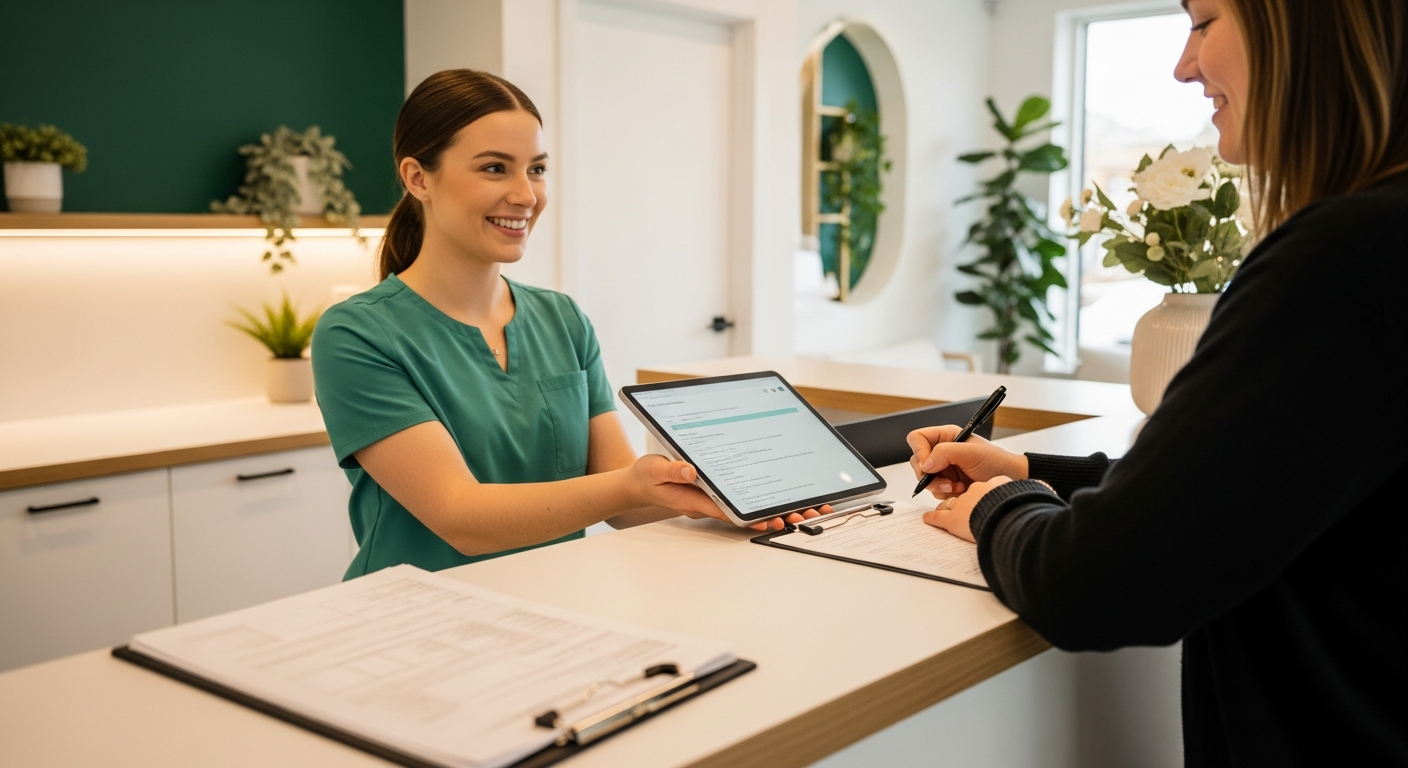
Replace the clipboard with a link. Patients fill out their information on their phone before they arrive. The data flows directly into your PMS — no typing, no scanning, no errors.
This single change eliminates the most labor-intensive paper workflow in your practice.
2. Electronic consent forms
Every procedure that requires a signed consent form is an opportunity to go digital. E-signatures are legally valid, easier to store, and impossible to lose in a filing cabinet.
3. Automated treatment plan delivery
Instead of printing a treatment plan and handing it to a patient (who will lose it before they get to their car), send it digitally. Text or email. The patient can review it at home, share it with a spouse, and accept it with a tap.
4. Digital insurance verification
Stop printing out benefits breakdowns. Your software should pull eligibility automatically and store it in the patient record. No sticky notes. No binder of printouts behind the front desk.
5. Electronic statements and payment links
Mailing paper statements costs $2-5 per statement in printing, postage, and labor. Text a payment link instead. Patients pay faster, and your team doesn't spend every Tuesday stuffing envelopes.
What to look for in your software
Not all "paperless" solutions are equal. Some tools digitize one piece of the puzzle but leave the rest on paper. Here's what actually matters:
- Forms that write directly to the patient record — if your forms tool still requires manual data entry, you haven't gone paperless. You've just moved the clipboard to an iPad.
- Built-in e-signatures — not a third-party add-on
- Automated delivery — forms, treatment plans, and statements should go out automatically, not when someone remembers to send them
- Mobile-first design — patients are filling these out on their phones. If the experience is clunky, they'll ask for the clipboard.
The goal isn't "no paper." It's no wasted time.
Going paperless isn't about the paper. It's about eliminating the manual work that paper creates — the typing, the scanning, the filing, the chasing. Every paper form in your practice is a symptom of a workflow that should be automated.
The practices that figure this out get their front desk back. The ones that don't keep hiring to keep up.
Ayla includes digital intake forms, e-signatures, automated treatment plan delivery, electronic statements, and real-time insurance verification — all built into one platform. No add-ons required. Book a demo to see how it works.
Dr. Ninus Ebrahimi
Founder, Ayla · Pediatric Dentist
Practicing pediatric dentist and founder of Ayla. Building the dental software he wished existed — one feature at a time.